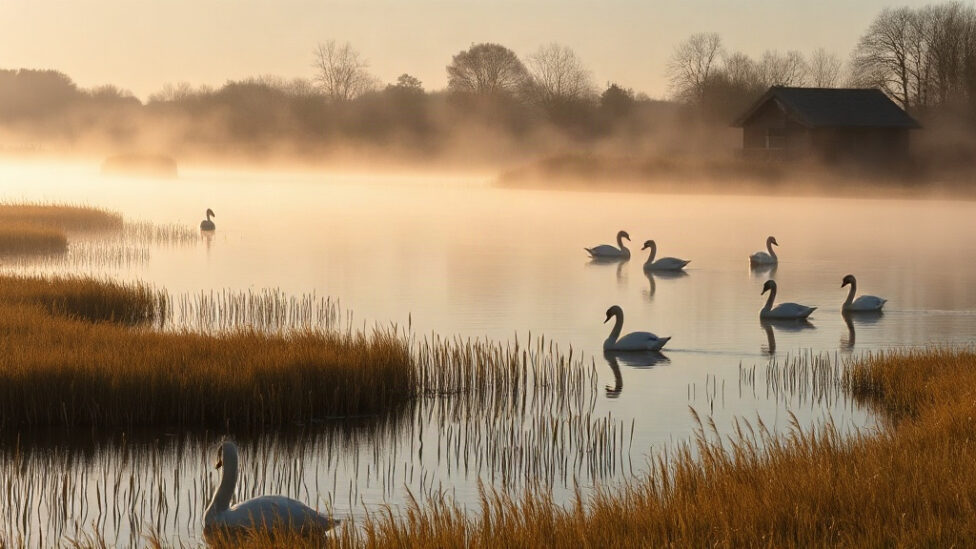
Slimbridge Wetland Centre, near Stroud, turned 80 this month. It began in November 1946, when the naturalist Sir Peter Scott arrived at a marshy stretch of the River Severn, drawn by the thousands of geese and swans that flew from the Russian Arctic to spend the winter there. Eight decades on, the reserve is still known for its birds, and its charity now has a wider message about wetlands and climate change.
How it started
Scott first settled in a small cottage and later built a house on the edge of a lake, with a large window to watch the wildfowl. He dug lakes and channels, and put up hides and towers so visitors could watch birds without disturbing them. The reserve grew from there, and today it is home to thousands of ducks, swans and geese, along with the migrating wildfowl that return each winter.
Saving the Hawaiian goose
One of Scott’s best-known projects was the Nene, or Hawaiian goose. By 1949 only about 24 birds were left in the wild, after road building and development had hit their habitat hard. Scott asked for birds to be sent to Slimbridge to be hand-reared. The first two that arrived were females, and he had asked for a male. Nine chicks were later hatched and raised to adulthood at Slimbridge. Today there are more than 3,000 Nene in the world, most of them on golf courses in Hawaii. A few still live at Slimbridge, where volunteers hand-feed them every day.
Staff have also hand-reared other species, including the common crane and the Madagascan pochard, which is the world’s rarest diving duck. Work to save the pochard showed the team that the wetland itself had to be restored, and that meant working with local communities in Madagascar.
Why wetlands matter now
The charity says wetlands are easy to overlook. Its chief executive, Sarah Fowler, puts the loss at about 85 per cent of the world’s wetlands, drained for farming or built over as cities grow. WWT also says that saltmarshes and other wetlands can store carbon much faster than trees, and that about 40 per cent of the world’s species rely on wetland habitats.
- WWT now runs 10 wetland bird reserves across the UK.
- The charity is working with councils to restore wetlands, including in towns and cities.
- In Bristol, small floating islands of wetland plants have been moored in the harbour.
- WWT is calling for one million hectares of lost wetland to be restored around the world.
Visiting this winter
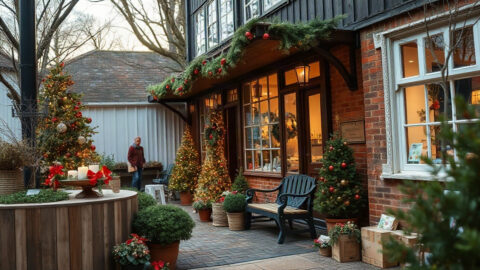
The free-entry day on 10 November has passed, and the anniversary week ran until 15 November. The Christmas events, including Wetland Wonderland and Santa’s Grotto, are listed on the WWT website, along with the Scott House Museum, which shows the life of its founder. Check the site for dates and times before you travel, and book tickets there. Slimbridge is also the place to see Bewick’s swans, which arrive from the Russian Arctic for the winter.